



Schools, banks, employers and government programs often ask for proof of address. That’s easy if you have a utility bill or lease in your name, but many people don’t: students, newcomers, people living with family, and anyone renting a room.
What a declaration of residence is
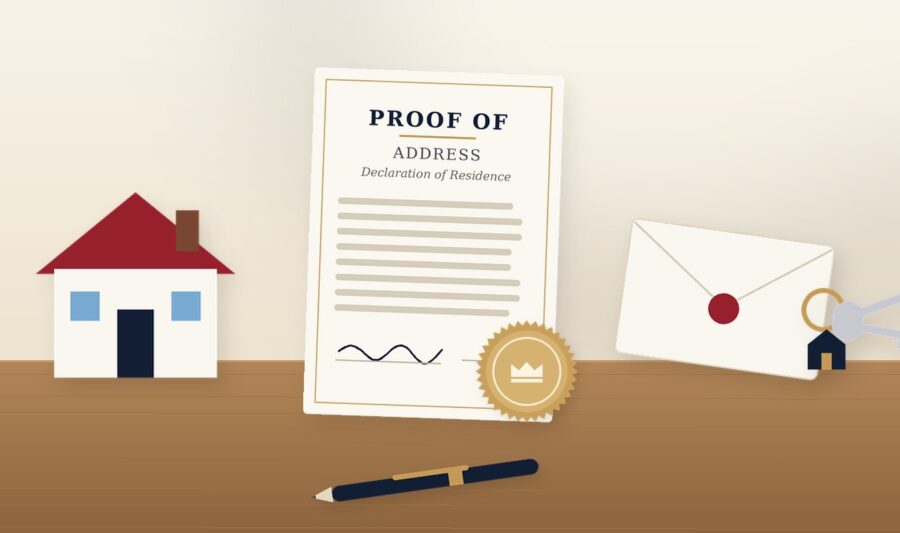
A declaration of residence is a statutory declaration confirming where you live, and sometimes how long you have lived there. In some cases, the organization also asks the homeowner or leaseholder to make a declaration confirming that you live with them.
Check first: will it be accepted?
Not every organization accepts a declaration as proof of address, and some have their own forms. Before booking, ask the organization what they accept and whether a specific form is required.
What to include
- your full name and current address;
- the date you began living there;
- who owns or rents the home, if you are living with someone else;
- any additional details the organization asks for.
At the appointment
- Bring the declaration unsigned.
- Bring valid photo ID. If a second person is declaring that you live with them, they need to attend with their own ID.
- We administer the declaration, witness signatures and apply our stamp.
Our free statutory declaration template can help you get started if no form is provided.
Related reading
- What is a statutory declaration?
- Free template: Statutory Declaration
- What ID do you need for notarization in Ontario?
- A student’s guide to notary services
- Notarization mistakes to avoid
Book with Crown Seal Notary
Crown Seal Notary serves Hamilton and the surrounding area seven days a week. In-office appointments are available at 21 King St W, 5th Floor, and our mobile service comes to your home, workplace, hospital or care home. To book, call 289-207-0851, email info@csnotary.org, or book online. You can also browse all of our services or read our FAQs.
Please note: Crown Seal Notary provides notarization and commissioning services only. We do not provide legal, immigration or financial advice, and we cannot tell you what to write in your document. If you are unsure which document you need, please check with the organization that asked for it or speak with a lawyer or licensed paralegal.